Cameron Highlands Meditation Retreats: Finding Your Sanctuary
Explore quiet retreat spaces in Cameron Highlands where cool mountain air and tea plantations create an ideal environment for deepening your practice.

Why Cameron Highlands Matters for Your Practice
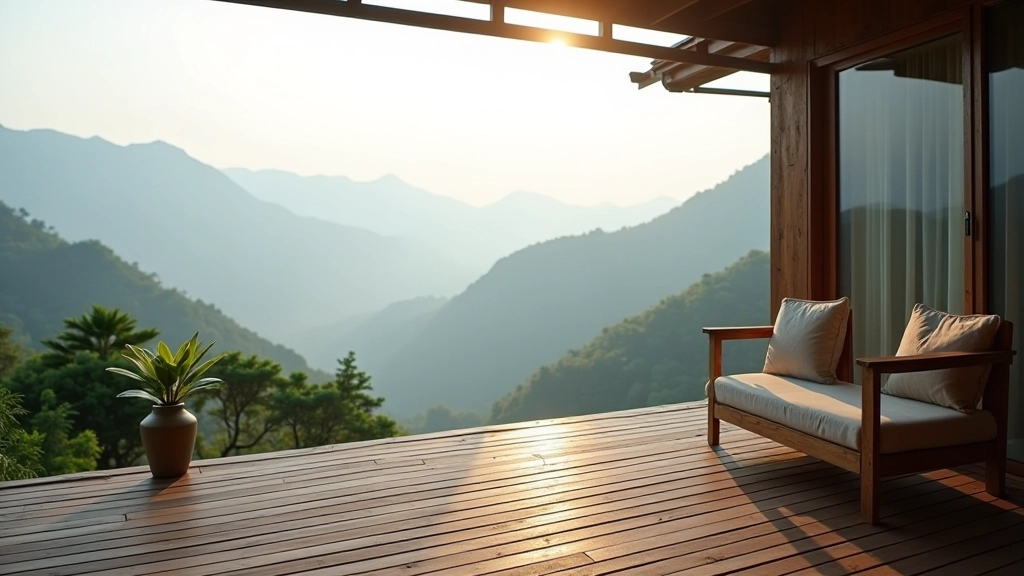
There’s something special about practicing meditation at elevation. The cool mountain air, the mist rolling through tea plantations, the natural quiet — it all works together. You’re not just doing meditation here. You’re in an environment that supports the work.
Cameron Highlands sits at about 1,500 meters above sea level. The temperature stays cooler year-round, which means you won’t be fighting humidity or heat during longer sessions. Plus, the landscape itself is naturally conducive to introspection. You’re surrounded by stillness.
What You’ll Find at Cameron Highlands Retreat Spaces
Mountain Elevation Benefits
The 1,500-meter altitude naturally promotes clearer thinking and deeper breathing. Less oxygen density forces your body to work more efficiently, which translates to better focus during practice.
Tea Plantation Surroundings
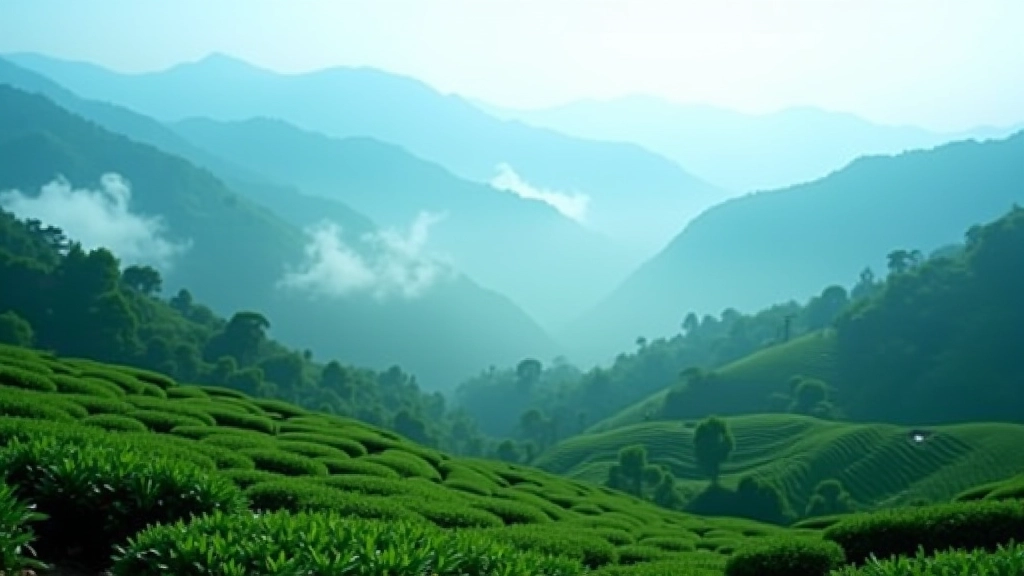
You’re literally surrounded by Boh tea plantations. The rolling green hills create a natural visual anchor for meditation. It’s easier to let your mind settle when you’re looking at something that doesn’t demand your attention.
Cool, Fresh Air
Temperatures typically range 15-20C year-round. No sweating through your practice. No heat exhaustion concerns. Just clean mountain air that supports longer, more focused meditation sessions.
Natural Sound Environment
You’re far from city noise. What you’ll hear instead: birds, wind through tea plants, occasional rain. These natural sounds actually deepen meditation rather than distract from it.
Comfortable Lodging Options
Modern retreat facilities offer simple but quality accommodation. Most have heated rooms, hot water, and basic amenities. You’re not roughing it, but you’re not distracted by luxury either.
Meditation-Friendly Meals
Most retreat centers serve vegetarian meals timed around practice schedules. Food is simple, fresh from local sources, and designed to support meditation rather than heavy digestion.
Structuring Your Retreat Experience
Most retreat centers follow a similar daily rhythm. You’ll typically start around 5:30 or 6 AM with a sitting meditation session — this is when the mountain air is coolest and your mind is freshest from sleep. Sessions usually run 45-90 minutes depending on your experience level.
Between sessions, you’ll have tea breaks and meals. The afternoon usually includes walking meditation through the tea plantations — it’s a different practice, but it’s equally valuable. You’re learning to maintain mindfulness while moving, which is harder than it sounds.
Evening sessions are typically shorter, maybe 30-45 minutes. By this time your mind has already done significant work, so the focus shifts to settling rather than deepening. Then dinner, optional group discussion, and early sleep. It’s structured but not rigid.
Pro tip: Bring layers. Even though Cameron Highlands is warm during the day, early morning meditation sessions can feel chilly. A light sweater helps you focus on your practice instead of your temperature.
What to Actually Expect During Your Retreat
If you’ve never done a retreat before, there’s usually a gap between what you imagine and what actually happens. Let’s be honest about both.
The Good Part
By day three, most people report feeling noticeably calmer. Your nervous system actually shifts when you’re not checking your phone, not in meetings, not managing daily stress. The tea plantations become meditative in themselves. You’ll probably sleep better than you have in months.
Many people find that insights arrive during walks through the plantations. Nothing mystical — just your brain finally having space to process things it’s been pushing aside. Clarity feels like a gift when you’re not used to having it.
The Honest Part
Day one through two are uncomfortable. Your body wants to move. Your mind wants stimulation. Sitting still for 90 minutes feels impossible. This is normal. It passes, but it’s real.
Some people find the quiet unsettling. When you’re not distracted, you notice thoughts and feelings you’ve been avoiding. That’s the whole point, but it doesn’t feel good at first. The retreat space is designed to support this work, but you’re still doing the work.
Preparing Yourself (Not Just Your Luggage)
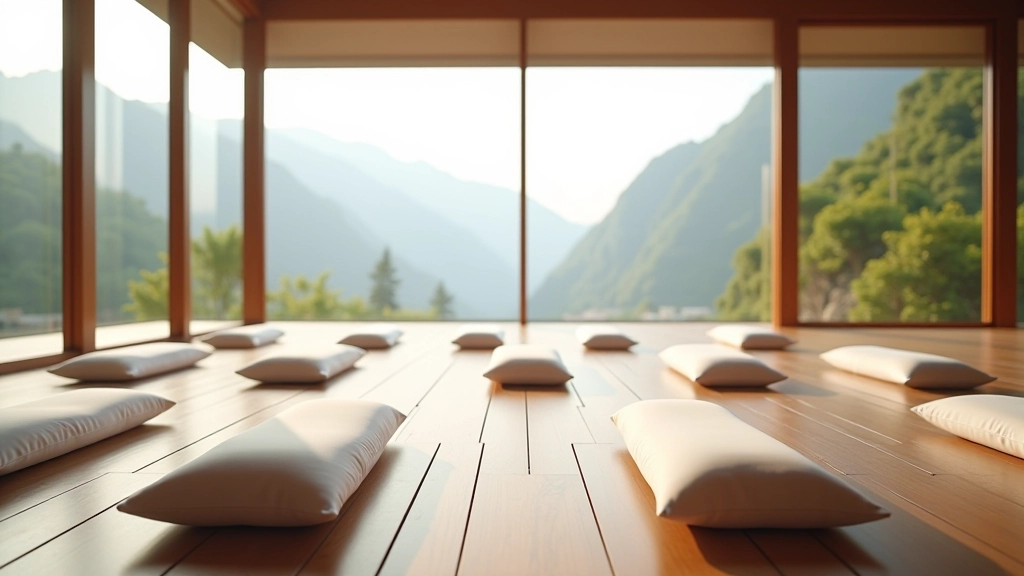
The physical preparation is straightforward — bring comfortable clothes, layers, and sunscreen. But the mental preparation matters more.
Start a home practice first
Don’t arrive at a retreat as a complete beginner to meditation. Even 10 minutes a day for two weeks before you go gives you context. You’ll understand what the instructors are asking. You won’t be learning the basics while everyone else is deepening their practice.
Set realistic expectations
You won’t have a transcendent experience just because you’re in a beautiful place. You might feel more focused. You might sleep better. You’ll probably feel quieter for a few weeks after. That’s success. Expecting enlightenment is a recipe for disappointment.
Clear your schedule completely
If you’re checking work emails or thinking about commitments back home, you’re not actually retreating. Plan for at least 3-5 days minimum. Anything less feels rushed. Most people need 5-7 days to really settle.
Bring a journal, but not your phone
Writing helps integrate what you’re experiencing. But your phone is a retreat killer. Most retreat centers actually ask you to leave it in your room anyway. This isn’t punishment — it’s protection.

After the Retreat: Integration Is the Real Work
You’ll feel amazing when you leave Cameron Highlands. That quiet clarity, that sense of spaciousness in your mind — it’s real. But then you’ll get back to normal life, and it’ll start fading. This is where most people lose the benefits.
Maintain Your Practice Schedule
Don’t try to replicate the retreat schedule at home — that’s unrealistic. But commit to something. Even 20 minutes every morning keeps your nervous system in that quieter state. It doesn’t take much to maintain what you’ve built.
Find Your Support System
Join a local meditation group or find an online community. You’ll slip back to old patterns if you’re meditating alone. Other people practicing the same thing — even virtually — helps you stay committed. It’s not about comparison. It’s about accountability and shared understanding.
Plan Another Retreat (Soon)
Don’t wait five years for the next one. If you can, plan another retreat for 6-12 months out. Having something to work toward keeps your practice alive. The intervals matter — you’ll deepen faster than you think.
Your Sanctuary Awaits
Cameron Highlands offers something increasingly rare in our world: genuine quiet. Not just the absence of noise, but the absence of demand on your attention. The tea plantations don’t ask anything of you. The mountains don’t require a response. You can just be.
A meditation retreat isn’t an escape from your life — it’s a chance to understand your mind better so you can return to your life with more clarity. Cameron Highlands provides the ideal environment for this work. The cool air, the altitude, the natural beauty, the structured schedule — it all supports what you’re trying to do.
If you’ve been thinking about a retreat, stop thinking. Start planning. Your practice will thank you.
Important Disclaimer
This article is for educational and informational purposes only. It describes meditation practices and retreat experiences as general guidance. Meditation affects different people differently. If you have mental health concerns, anxiety disorders, or are taking psychiatric medication, consult with a healthcare provider before starting intensive meditation practices or attending a retreat. Some people experience temporary discomfort when beginning meditation — this is normal, but professional guidance is recommended. This content isn’t a substitute for professional medical or psychological advice.
Continue Your Learning