
Progressive Muscle Relaxation: A Practical Method
A straightforward tense-and-release technique that doesn’t require meditation experience. It’s especially effective for people with restless minds or chronic muscle tension who want real, measurable results.

Why Progressive Muscle Relaxation Works
Progressive Muscle Relaxation (PMR) is deceptively simple. You tense a muscle group for 5 seconds, then release it. That’s it. The magic happens because your nervous system learns the difference between tension and relaxation. When you deliberately tighten your shoulders and hold them, your brain registers that sensation. Then when you release, it clearly recognizes the contrast.
Most relaxation techniques ask you to “just relax.” But that’s vague. Your mind doesn’t know what you’re asking it to do. With PMR, you’re giving your body specific instructions. Tighten. Hold. Release. Your nervous system gets the message, and over time, you’re able to recognize tension earlier and release it faster — both during the practice and throughout your daily life.

The 5-Step Basic Sequence
Here’s how a typical PMR session works. You’ll move through your body systematically — starting with your feet and working up to your head. Most sessions take 15-20 minutes, though you can do a shorter 5-minute version focusing on just your shoulders and neck.
Find a comfortable position
Sit or lie down where you won’t be interrupted. You’ll need 15-20 minutes of quiet time. Loose clothing helps — you want to feel your muscles, not fabric restrictions.
Start with your feet
Tense your right foot by curling your toes downward and tightening all the muscles. Hold for 5 seconds. Notice the tension. Then release completely. Spend 10 seconds feeling the relaxation. Repeat with your left foot.
Move up through your body
Progress to calves, thighs, glutes, abdomen, chest, back, hands, forearms, biceps, shoulders, neck, jaw, and face. Same pattern: tense for 5 seconds, release, notice the difference for 10 seconds. Don’t rush.
Pay attention to the contrast
The learning happens here. Your nervous system is registering: “This is what tension feels like. This is what relaxation feels like.” That’s the whole point. Don’t zone out — stay present.
End with full-body awareness
When you’ve finished all muscle groups, sit quietly for 2-3 minutes. Notice how your entire body feels. Some people feel heavier, warmer, or tingling. That’s normal. Open your eyes slowly and take your time getting up.
What You’ll Actually Notice
Unlike meditation, which asks you to clear your mind (good luck with that), PMR gives your mind something to do. You’re focusing on physical sensations. Your brain stays engaged but your nervous system gets the signal to calm down. It’s the best of both worlds.
Recognizing tension earlier
After 2-3 weeks of regular practice, you’ll notice when your shoulders creep up toward your ears. Or when your jaw clenches. You’ll catch these patterns during the day, not just during your practice session.
Deeper sleep
Many people do PMR right before bed. A relaxed body falls asleep faster. Your mind isn’t racing through worries — it’s focused on your biceps and chest.
Less daytime anxiety
Your nervous system learns that it CAN relax. That switch you’re flipping during practice? You can flip it during your workday too. Not completely, but enough to feel the difference.
Pain reduction
Chronic tension creates pain. When muscles are tight for months, they hurt. Relaxing them doesn’t fix everything, but it helps. People with headaches, neck pain, and lower back tension often see improvement.

Making It a Real Habit
Knowing the technique is one thing. Actually doing it regularly is another. Here’s what works for people who stick with it.
Start with 5 minutes
Don’t commit to the full 20-minute session on day one. You’ll skip it. Do 5 minutes focusing only on your shoulders and neck. That’s enough to learn the technique and start noticing benefits.
Same time, same place
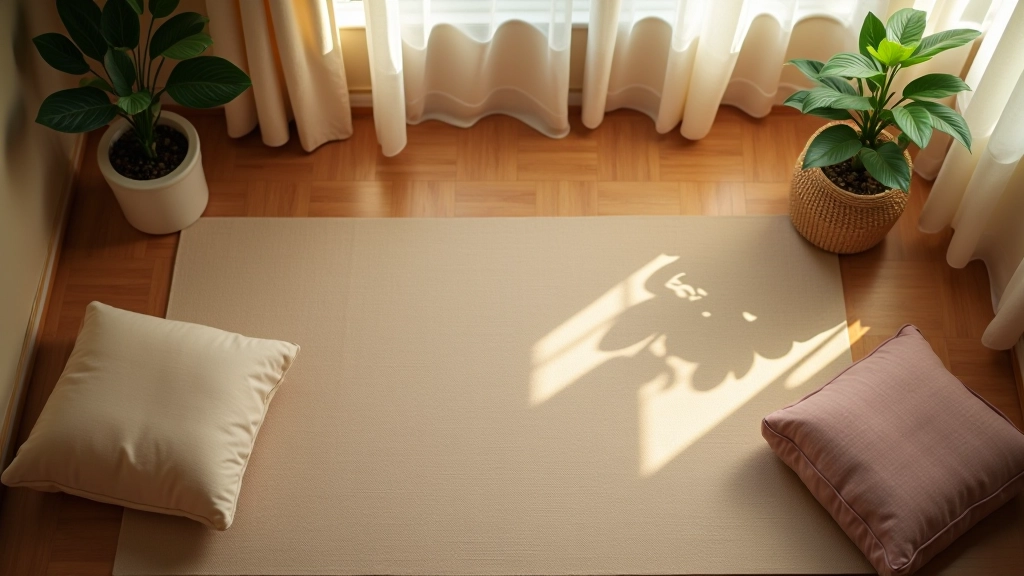
Your bedroom before bed works best for most people. Or your couch after dinner. The consistency matters more than the location. Your brain starts preparing for relaxation as soon as you sit down.
Don’t overthink the tension
You’re not trying to create pain. Tense about 50-70% of your maximum. You should feel the muscle working, not suffering. This isn’t a strength exercise.
Track what changes
After 2 weeks, note how your sleep is. Any shoulder tension gone? Headaches less frequent? Keeping a simple journal (even just notes on your phone) helps you see progress and stay motivated.
The Real Payoff
Progressive Muscle Relaxation won’t fix your stress overnight. But it will give you a tool you can use whenever you need it. In 3 weeks of regular practice, most people recognize tension faster and release it more easily. That’s the whole point — not relaxation during the practice, but the ability to relax during your actual life.
You don’t need special equipment, an app, or prior experience. Just your own body and 15 minutes. It’s straightforward. It works. And it doesn’t require you to believe in anything except the fact that tight muscles can become relaxed ones.
Next step: Try one 5-minute session tonight focusing on just your shoulders and neck. Notice the difference between tension and relaxation. That awareness is where everything starts.
Disclaimer
This article is educational information about progressive muscle relaxation techniques. It’s not medical advice, and it’s not a replacement for professional healthcare. If you have chronic pain, muscle disorders, or health conditions that affect your muscles, talk with your doctor before starting PMR. Some physical conditions require specific modifications or professional guidance. The techniques described here represent general practices and individual results vary based on consistency, technique, and personal circumstances.